


23 Apr Safer solar systems
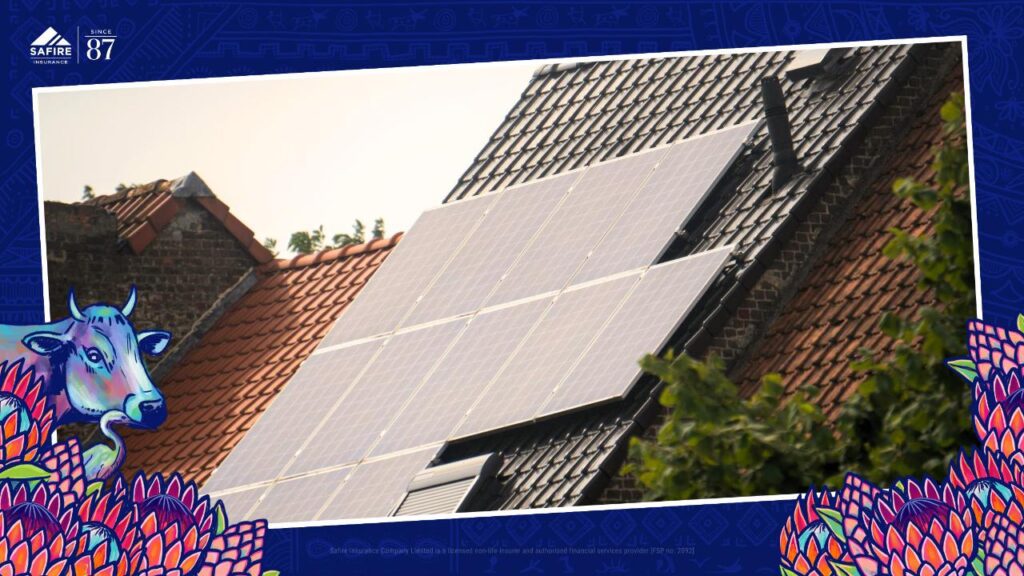
The Consumer Goods and Services Ombud (CGSO) has issued a warning to those who already have solar systems and property owners who are considering this environmentally-friendly energy solution. It reports a rise in complaints about solar systems and generators, mirrored by insurers experiencing an increased number of claims for faulty and non-functioning solar systems.
“This could be the result of installations by unqualified and inexperienced solar installation contractors, and problems could also be caused by the use of inferior quality components that often have not been certified or don’t have proper warranties,” says Bennie Boshoff, General Manager of Safire’s Insurance Division. “It is vital to ensure that your solar system is installed by a qualified contractor who will provide you with the required Certificate of Compliance.”
Some of the main problems experienced when relying on a solar system include:
Solar panel fires
While solar panel fires are unusual, when they do occur they can cause significant damage – both to the solar system and the roof or structure where they are situated. Electrical faults are the leading cause of these fires. Faulty wiring, loose connections, inferior components, arcing (a spark caused by a current jump), short circuits and ageing cables can all contribute to overheating and fire hazards. Professional installation, maintenance, and regular inspections can help limit these risks.
A gap between the roof and the panels of between 6cm to 11cm is ideal to help reduce any heat building up and to lengthen the potential lifespan of the panels. Experts warn that the smaller the gap between the roof and the panels, the greater the risk of fires breaking out and larger, more destructive fires occurring.
Environmental factors
Solar panels are generally installed in exposed locations, making them vulnerable to lightning strikes, especially if not properly grounded. Installing surge protection devices offers added safety.
Lack of maintenance
Like anything exposed to the sun and weather, solar panels are subject to degradation with issues such as micro-cracking occurring in the silicone, so they should be checked regularly. They also need to be cleaned of dirt, leaves, and similar debris to keep them working at their best. Should debris partially cover a panel, the affected cells act as resistors rather than conductors, causing an obstruction to the current. This may cause localised overheating, which could eventually cause a fire.
Theft
Solar panels and cables offer an easy target for criminals as the panels are not only valued for their ability to generate electricity but also for the materials they are made of. Property owners should protect their solar installations from theft by:
- Installing surveillance cameras, alarm systems and motion-sensor lighting;
- Using tamper-proof mountings for the solar panels, making it more difficult for thieves to remove them;
- Placing inverters and batteries inside locked enclosures.
Bennie adds, “Cheaper is not the best option when installing a solar system – consumers need to do some homework beforehand. Solar is the most economical, greenest, most abundant energy source available, so ensure that you make the most of it while being compliant with all relevant safety, legal, and insurance requirements. Remember that failure to comply with these requirements could impact the validity of a claim following an insured loss.”
Please note: The information contained in this article is not offered as ‘advice’ in terms of the Financial Advisory and Intermediary Services Act 2002 as amended, and policyholders should consult with their intermediaries and the policy wording so as to ensure a full and complete understanding of the cover offered to them in terms of the Safire policy of insurance.