


23 Jul Ageing battery warning
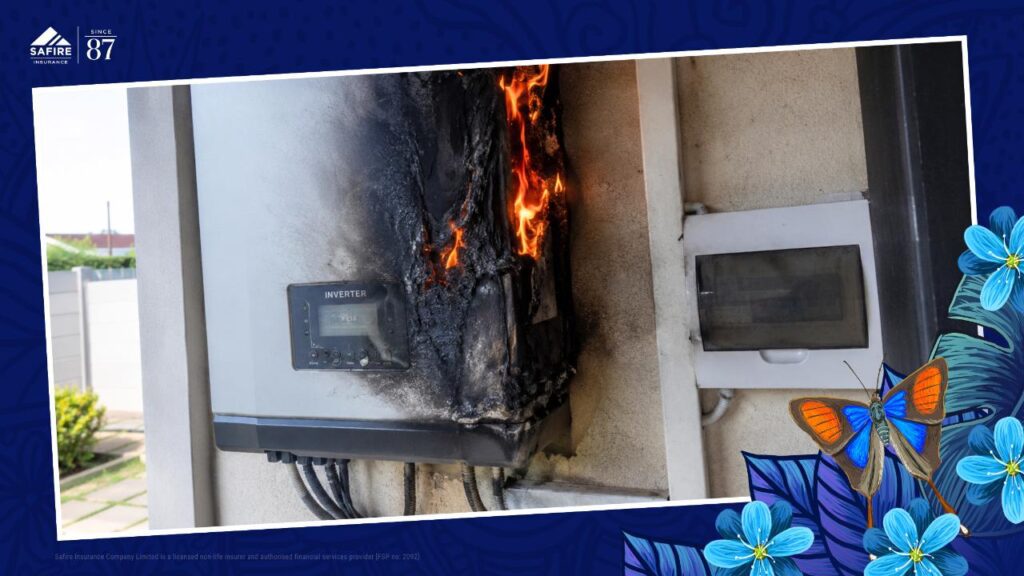
An ageing inverter battery is more than an inconvenience. Learn how to recognise the warning signs before a failing battery leaves you without power – or creates a serious safety hazard.
Power backup systems have become an essential feature in many South African homes and businesses, but the batteries that keep them running do not last forever. As batteries age, they become less reliable and, in some cases, can pose a serious safety risk. Recognising the warning signs early can help you avoid unexpected blackouts, costly emergency replacements and potentially dangerous situations.
“A backup power system is an investment that should be maintained just like any other valuable asset,” says Bennie Boshoff, General Manager: Insurance at Safire Insurance. “Replacing an ageing battery before it fails can prevent costly damage and help ensure your family, staff, business, home or commercial property are safe during power outages.”
Performance warning signs
Watch for these signs that your battery may be nearing the end of its lifespan:
- Reduced backup time: The battery no longer keeps lights and appliances running for as long as it originally did.
- Frequent tripping: The inverter shuts down more often during power outages.
- Slow or incomplete charging: The battery takes longer to charge or never reaches full capacity.
Physical warning signs
A quick visual inspection can reveal potential problems:
- Swelling or bulging: This may indicate overheating or internal damage.
- Corrosion or leakage: Acid leaks or corroded terminals can reduce performance and signal battery deterioration.
- Excessive heat: A battery that feels unusually hot to the touch should be inspected immediately.
System warning signs
Your inverter may also alert you to a failing battery:
- Warning lights or error messages on the inverter;
- Unusual sounds such as buzzing or hissing;
- Burning odours that emanate from the inverter or battery;
- Voltage fluctuations, including flickering lights or appliances that trip unexpectedly.
Check its age
Most inverter batteries have an expected lifespan of between three and five years, depending on the battery type, usage patterns and environmental conditions. If your battery is approaching this age, have it inspected and start planning for a replacement before it fails unexpectedly or becomes a hazard.
Why batteries fail
Several factors can shorten the lifespan of an inverter battery:
- Overloading the system with too many appliances;
- Constant overcharging or poor charging practices;
- Exposure to high temperatures or poor ventilation;
- Neglecting routine maintenance, such as checking electrolyte levels in lead-acid batteries.
Battery failure can become a fire risk
A battery that has reached the end of its lifespan is not only less reliable – it can also become a significant safety risk. Damaged, poorly maintained or incorrectly installed batteries may overheat, emit flammable gases or, in severe cases, catch fire.
Lithium-ion batteries are particularly susceptible to a process known as thermal runaway, where excessive heat triggers a chain reaction that can result in an intense fire that spreads quickly and is difficult to extinguish.
“Fires originating in battery storage systems can cause extensive damage to buildings, contents and nearby vehicles. Regular inspections, good ventilation and professional installation are essential to minimise the risk,” says Bennie. “If you install or replace an inverter or battery system, remember to inform your insurer so that your policy accurately reflects the equipment installed at your property.”
Extend your battery’s lifespan
You can help maximise the lifespan of your inverter battery by:
- Using energy-efficient appliances;
- Avoiding overloading the system;
- Regularly cleaning and checking battery terminals;
- Checking electrolyte levels in lead-acid batteries where applicable;
- Keeping the inverter and battery in a cool, dry and well-ventilated area.
Taking these simple steps can improve battery performance, reduce the likelihood of unexpected failures and help protect your home or business from unnecessary risks.
Please note: The information contained in this article is not offered as ‘advice’ in terms of the Financial Advisory and Intermediary Services Act 2002 as amended, and policyholders should consult with their intermediaries and the policy wording to ensure a full and complete understanding of the cover offered to them in terms of the Safire policy of insurance.