


19 Mar Empty buildings = bigger risks
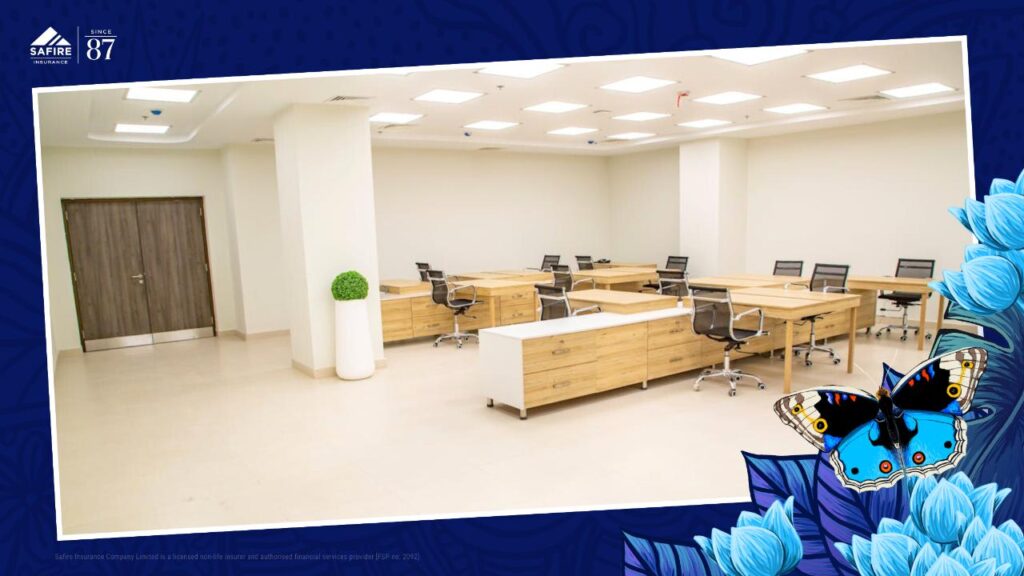
Whether it’s a holiday home unoccupied for extended periods, a rental property between tenants, or a commercial building in the process of being sold, property owners may not realise that leaving a building vacant significantly increases its exposure to insurance risk.
Why unoccupancy increases risk
A building that is regularly occupied benefits from constant oversight. Residents, staff, or tenants are usually quick to notice when something is wrong. When a property stands empty, however, small issues can escalate into major damage before anyone becomes aware of them. These increased risks include:
- Undetected water leaks or burst pipes;
- Electrical faults or fire hazards;
- Break-ins, theft, or vandalism;
- Weather-related damage;
- Illegal occupation or trespassing, and the damage associated with this.
Because there are no occupants to respond quickly, even a relatively minor incident can escalate and result in extensive and costly damage.
Communicating with your insurer
“A property that is left vacant represents a very different risk from one that is occupied,” says Bennie Boshoff, General Manager: Insurance at Safire. “Most insurance policies therefore require policyholders to notify their insurer if a building will be standing empty for an extended period of time. By doing so, property owners are complying with their obligation to disclose and can ensure that appropriate cover is in place.”
Notifying your insurer allows them to assess the risk and discuss any additional cover or precautions required during the period of unoccupancy.
To reduce risk, property owners can take several practical precautions to protect unoccupied buildings:
- Arrange for regular inspections of the property, inside and out;
- Ensure security measures are active, especially alarm systems and other basics such as locked gates and good perimeter lighting;
- Arrange additional security measures while the property is unoccupied, such as a guard based on site;
- Maintain adequate exterior lighting;
- Shut off water where possible to prevent leaks;
- Keep gardens and surroundings neat and maintained.
These measures not only reduce the likelihood of damage but also help demonstrate that reasonable care has been taken to protect the property.
Precautions for short-term absences
Even when leaving a property unattended for shorter periods, basic security precautions are essential. Ensure windows are closed, doors securely locked, and the alarm system activated before leaving. Activating the alarm is particularly important, as this may be a condition of the cover, and an active alarm ensures that any suspicious or unauthorised activity is brought to the attention of the security company, affording criminals very little opportunity to cause damage. Stay alert to any suspicious activity in the area and report any concerns to your security company immediately.
Communication is key
If you are planning to leave your home empty for an extended period, or if a commercial property is temporarily unoccupied, it is always advisable to inform your insurer or broker in advance.
Taking this simple step can provide valuable peace of mind – and ensure that your cover continues to protect you when you need it most.
Please note: The information contained in this article is not offered as ‘advice’ in terms of the Financial Advisory and Intermediary Services Act 2002 as amended, and policyholders should consult with their intermediaries and the policy wording so as to ensure a full and complete understanding of the cover offered to them in terms of the Safire policy of insurance.