


18 Feb Extending your vehicle’s lifespan
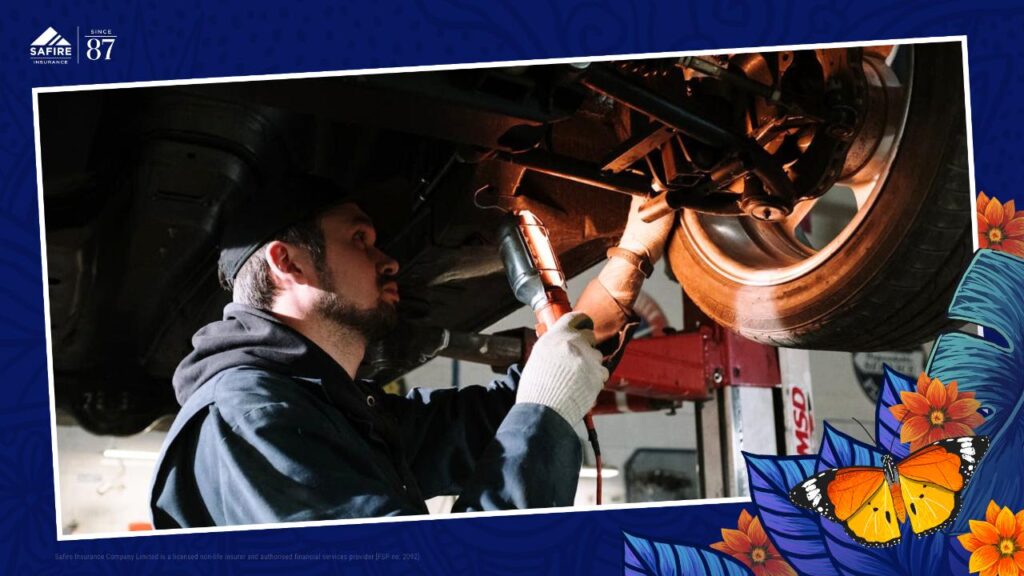
Smart tips to help extend the lifespan of your vehicle
Keeping your vehicle in peak running condition for longer makes good sense. Regular maintenance and sensible behaviour can save you money, reduce breakdowns, and protect your investment
1. Stick to service schedules
Regular servicing is critical – not just for performance, but also to maintain the manufacturer’s warranty. Skipping services or using unqualified workshops could allow minor issues to escalate into costly repairs, and may void warranty coverage. Always follow the manufacturer’s recommended service intervals and keep a record of all maintenance done on the vehicle.
2. Respond to warning lights promptly
Dashboard alerts are designed to prevent serious damage to the vehicle. Addressing them early reduces mechanical failures and lowers the risk of incidents that could affect your insurance claims. Never ignore a warning light because the car “sounds fine”. Treat any alert as an emergency and seek professional assistance immediately.
3. Use qualified workshops
Choose reputable, accredited workshops such as those affiliated with the Motor Industry Workshop Association. Professional repairs reduce repeat failures and maintain safety.
4. Monitor your tyres
Your tyres are the only part of your vehicle in contact with the road surface, so it’s vital to ensure that they are in excellent condition. Tyres that are over or under-inflated wear out faster, cause you to use more fuel, and can be dangerous to drive on. Check tyre pressure at least once a month, and ensure that tyres have enough tread by checking on the tyre wear indicators (small rubber bars in the tyre grooves which, when flush with the tread, indicate it is time for the tyre to be replaced). Also, if your tyres are damaged, it’s time to replace them. Rotating your tyres regularly (usually every six months or 8,000-10,000 kilometres) helps them wear evenly to last longer.
With the state of many roads, it is crucial to check your tyres immediately should you hit a pothole. Pull over as soon as it is safe to do so, and inspect the tyre for sidewall bulges, cuts, tears, or bent rims. Even if damage isn’t visible, listen for new noises and check for vibrations or the car pulling to one side. Get professional guidance at a tyre fitment outlet. Even if nothing is broken, the impact could have affected the alignment, which will cause uneven wearing to the tyres.
5. Maintain fluids, and filters
Replace worn filters, belts, and coolant on schedule. Preventive care reduces the likelihood of sudden breakdowns and keeps your car running efficiently.
6. Mind your driving and fuel habits
Gentle acceleration, smooth braking, and keeping fuel levels above a quarter tank help to reduce engine, brake, and drivetrain wear, as well as lowering accident risk.
7. Protect your vehicle from the elements
Regular washing, waxing, and using a car cover prevent rust, sun damage, and cosmetic wear, keeping your vehicle looking good and running well.
8. Avoid overloading
Exceeding your vehicle’s payload stresses brakes, suspension, and the drivetrain, shortens the lifespan and also reduces the risk of accidents and costly repairs.
In closing, with a little effort and regular attention to maintenance, you can keep your vehicle running smoothly and looking great for many years. Despite all this, accidents and unexpected issues can still happen, which is why having appropriate vehicle insurance is essential. Contact your Safire-approved broker for details.
Please note: The information contained in this article is not offered as ‘advice’ in terms of the Financial Advisory and Intermediary Services Act 2002 as amended, and policyholders should consult with their intermediaries and the policy wording so as to ensure a full and complete understanding of the cover offered to them in terms of the Safire policy of insurance.